
By Sophie Dombrowski
For many older adults, a time comes when they, or their spouse, develops a chronic, and possibly terminal, illness. As such, the other spouse typically becomes the primary caregiver. Depending on the diagnosis, severity of the illness, and the age of the couple, this might be fine at first. But as the illness progresses, and the caregiver gets older themselves, being the primary caregiver gets harder. On top of physical issues and limitations, caregiving can have a big effect on mental health.
In terms of physical factors, it has been studied that it is common for caregivers to eat less nutritious meals, exercise less than usual, and sleep less than usual. These changes can directly affect changes in one’s mental health, such as becoming more anxious and not being able to focus on tasks unrelated to caregiving. As the caregiver spends more time actively caring for their spouse, they spend less time on their own self care, leading to an increase in mental health concerns such as depression. Other mental health effects include lowered morale, emotional exhaustion, anxiety, and helplessness.
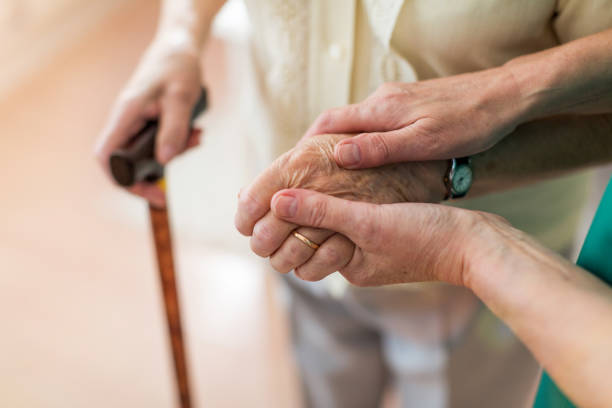
Because of the restricted personal life, including less time for hobbies, employment, and friends, caregivers fare worse than non caregivers when looking at indicators of physical and mental health. Caregivers are far more stressed and depressed, and have lower levels of well being and self-efficacy. Among these factors, women caregivers are the most vulnerable and have the largest differences when compared to women who are not caregivers.
In terms of coping strategies, caregivers often turn to things like excess drinking, food, or more time sleeping. It is important for caregivers to find their own effective and healthy coping strategies. These strategies include exercising and carving out time for personal hobbies or time with their own friends, even if it is just a short phone call. Finding support groups can be helpful, as being around people going through similar experiences can help you feel understood and less alone. It has also been found that cognitive behavioral therapy (CBT) is an effective method at remedying effects of caregiving. CBT brought significant improvements to mood, cognitive functioning, and burden. It also helped increase caregivers’ coping mechanisms and confidence. With improvements in mental health, caregivers can also begin to improve their physical health, which benefits themself and the person they are caring for.
References:
Connell, C. M. (1994). Impact of spouse caregiving on health behaviors and physical and mental health status. American Journal of Alzheimer’s Care and Related Disorders & Research, 9(1), 26-36.
Corey S. Mackenzie, Ursula J. Wiprzycka, Nasreen Khatri & Julia Cheng (2013) Clinically Significant Effects of Group Cognitive Behavioral Therapy on Spouse Caregivers’ Mental Health and Cognitive Functioning: A Pilot Study, Journal of Gerontological Social Work, 56:8, 675-692, DOI: 10.1080/01634372.2013.834857
Pinquart, M., & Sörensen, S. (2003). Differences between caregivers and noncaregivers in psychological health and physical health: A meta-analysis. Psychology and Aging, 18(2), 250–267. https://doi.org/10.1037/0882-7974.18.2.250
 Diana Faón Psicoterapia